



DIY Electrical Troubleshooting: 5 Easy Steps to Try Before Calling a Pro
Step 1: Check Your Circuit Breaker Panel
When lights suddenly go out or outlets stop working in your home, the circuit breaker panel should be your first stop. This metal box, typically located in your basement, garage, or utility room, serves as the central hub for your home’s electrical distribution system.
Begin by opening the panel door and visually inspecting all the breakers. A tripped breaker often sits in a middle position between ON and OFF, or it may have shifted completely to the OFF position. Some breakers feature a small window that changes color (often to red or orange) when tripped, making identification easier.
To reset a tripped breaker, first turn it completely to the OFF position, then firmly switch it back to ON. You should hear a distinct click when it locks into place. If the breaker trips again immediately or within a few minutes, this indicates a more serious issue that requires attention from a licensed electrician. Repeated tripping suggests an overloaded circuit, a short circuit, or a ground fault that needs investigation.
While inspecting your panel, look for any signs of damage such as burn marks, unusual odors, or rust. These symptoms indicate potentially dangerous conditions that demand immediate assessment by a qualified professional.
Step 2: Test Your GFCI Outlets
Ground Fault Circuit Interrupter (GFCI) outlets are safety devices designed to protect you from electrical shocks, particularly in areas where water and electricity might come into contact. You’ll find these distinctive outlets with TEST and RESET buttons in bathrooms, kitchens, outdoor locations, and garages throughout homes in Ashland and surrounding communities.
When a GFCI outlet trips, it cuts power not only to itself but often to other standard outlets downstream on the same circuit. This protective feature can make it seem like multiple outlets have failed simultaneously when only the GFCI needs resetting.
To test a GFCI outlet, simply press the TEST button. You should hear a click, and the RESET button should pop out, indicating the outlet is functioning correctly. Press RESET to restore power. If the RESET button won’t stay in, or if the outlet trips repeatedly, the GFCI may be faulty or detecting a legitimate ground fault condition.
Massachusetts homes, especially those experiencing the freeze-thaw cycles common to our region, sometimes develop moisture intrusion issues that cause outdoor GFCI outlets to trip. If you notice your outdoor outlets tripping during or after rain, snow, or during spring thaw periods, moisture may be entering the outlet box. While you can attempt to dry the area and reset the outlet, persistent tripping requires inspection to prevent potential safety hazards.
Step 3: Inspect Light Bulbs and Fixtures
Before assuming you have a serious wiring problem, eliminate the simplest possibilities first. A burned-out bulb or loose connection accounts for a surprising number of calls that turn out to need nothing more than basic maintenance.
Start by ensuring the light switch is in the OFF position, then carefully remove the bulb. Examine the base for any signs of corrosion or damage. Check inside the socket for the same issues, and look for the small brass tab at the bottom of the socket. If this tab has been pressed down too flat, it may not make proper contact with the bulb. You can gently pry it upward slightly (with power OFF) to improve contact.
When installing a new bulb, verify you’re using the correct wattage for the fixture. Exceeding the recommended wattage can cause overheating, potentially damaging the fixture or creating a fire hazard. LED bulbs have largely eliminated this concern due to their low heat output and energy efficiency, making them an excellent choice for homes throughout Massachusetts.
If you have recessed lighting that shuts off and won’t come back on, the thermal protection feature may have activated due to overheating. These fixtures automatically shut down when they get too hot and reset once they cool. Switching to LED bulbs typically solves this recurring problem while reducing energy consumption.
Flickering lights deserve special attention. While a single flickering bulb usually indicates a problem with that specific bulb or fixture, multiple lights flickering simultaneously can signal loose wiring connections at the panel or even issues with the utility service. This symptom should not be ignored, as it may indicate a dangerous condition requiring immediate attention.
Step 4: Verify Connections and Power Sources
Loose connections cause more electrical problems than most homeowners realize. Before concluding that you need rewiring or major repairs, take time to check the obvious connection points.
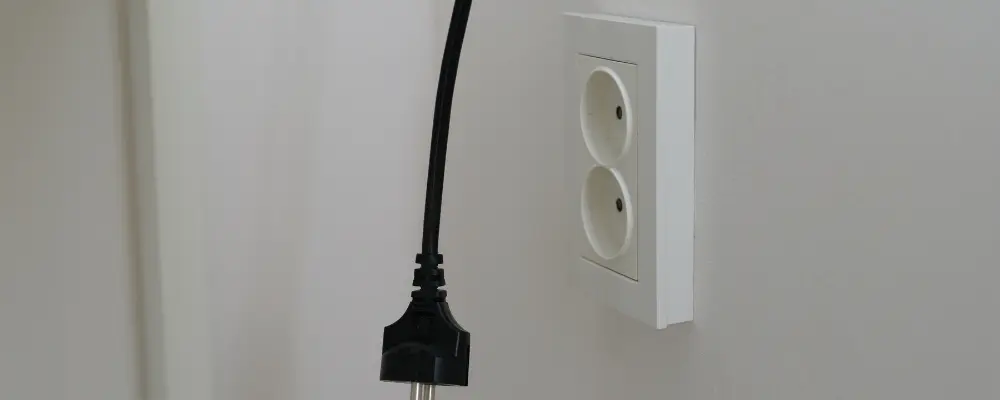
For plug-in devices, ensure the plug is fully seated in the outlet. Over time, outlets can wear out, resulting in loose connections that cause intermittent operation or complete failure. If you notice a plug falls out easily or feels loose, that outlet should be replaced. Worn outlets also generate heat and pose fire risks, so replacement should not be delayed.
Extension cords and power strips represent another common problem area. These items have limited lifespans and can develop internal breaks or loose connections. Try plugging your device directly into a wall outlet to eliminate the extension cord or power strip as the source of the problem.
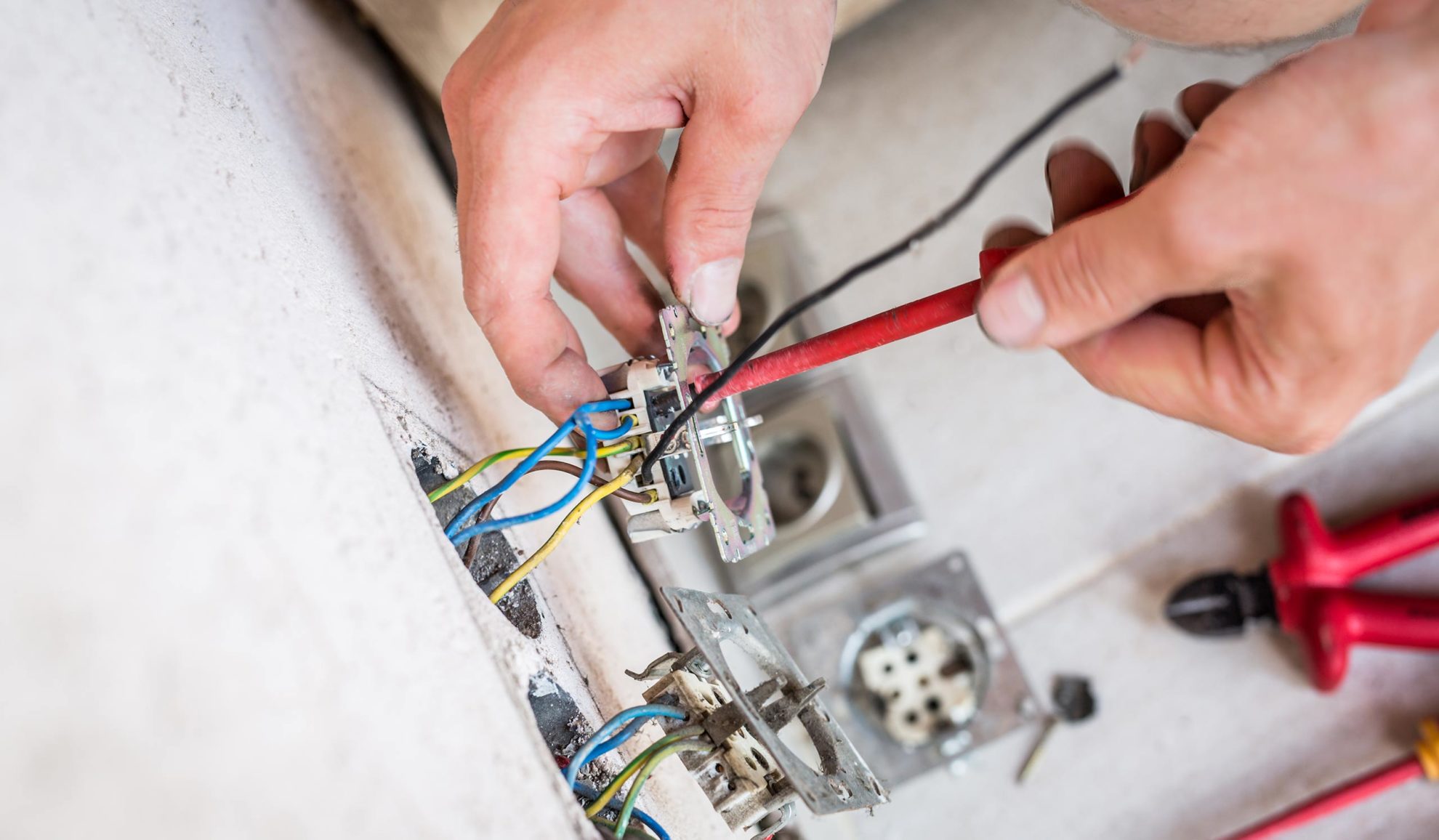
Wall switches also develop issues over time. Remove the cover plate (with power OFF) and check whether the switch feels loose or shows signs of wear. A switch that feels hot to the touch, makes buzzing sounds, or requires repeated toggling to work indicates internal failure and should be replaced promptly.
During the winter months in our region, many homeowners notice increased electrical issues as heating systems, space heaters, and holiday lighting place additional demands on circuits. If problems coincide with seasonal equipment use, you may be overloading a circuit. Distributing loads across different circuits often resolves the issue, though upgrading your electrical panel capacity may provide a more permanent solution.
Step 5: Recognize When to Call for Help
While the previous steps can help you identify and resolve minor electrical issues safely, certain situations absolutely require the skills and knowledge of a licensed electrician. Knowing when to stop troubleshooting and call for help protects both your safety and your property.
Contact a qualified electrician immediately if you notice any of these warning signs: burning smells coming from outlets, switches, or the electrical panel; outlets or switches that are warm or hot to the touch; sparks when plugging in devices or operating switches; buzzing or sizzling sounds from electrical components; frequent breaker trips even after reducing the load; lights that dim when appliances start; or any signs of smoke or scorch marks around electrical devices.
Additional situations requiring assistance include: outlets or fixtures that have stopped working after trying basic troubleshooting; the need to install new circuits or outlets; upgrading service panels; any work involving the main electrical service; outdoor electrical work; installing hardwired appliances or fixtures; and any situation where you feel uncertain or uncomfortable proceeding.
Massachusetts electrical codes require licensed electricians to perform most electrical work beyond simple tasks like changing bulbs or resetting breakers. These regulations exist to protect homeowners from the serious risks associated with improper electrical work, including fire, electrocution, and property damage. Additionally, unpermitted electrical work can create problems when selling your home or filing insurance claims.
For homeowners in Ashland, Framingham, Marlborough, and throughout the MetroWest region, having a trusted electrical service provider makes addressing both routine maintenance and unexpected issues much easier. Whether you need help with basic repairs, lighting upgrades, or full system evaluations, working with experienced electricians ensures the job is completed safely, correctly, and in compliance with all applicable codes.
The team at a reputable electrical service company brings years of training and hands-on experience to every job. From diagnosing intermittent problems that prove difficult to identify, to ensuring your home’s electrical system can safely handle modern power demands, professional electricians provide value that extends far beyond simple repairs. They identify potential problems before they become emergencies, recommend efficiency improvements that reduce energy costs, and ensure your family’s safety through proper installation and maintenance.
When you encounter an electrical issue that goes beyond these simple troubleshooting steps, don’t hesitate to seek help. The cost of proper electrical service is modest compared to the risks of improper repairs or the damage that can result from ignored warning signs. A qualified electrician can quickly assess the situation, explain your options clearly, and restore your electrical system to safe, reliable operation.
Frequently Asked Questions
A breaker that trips occasionally and stays reset after you flip it back typically just needs resetting. However, if the breaker trips immediately after resetting, feels hot to the touch, shows visible damage like scorch marks or corrosion, or won’t stay in the ON position, replacement is necessary.
Breakers that trip frequently even with reduced electrical loads have likely worn out internally and should be replaced by a licensed electrician to prevent safety hazards and ensure reliable power distribution throughout your home.
Several issues can cause outlets to lose power without tripping the breaker. Most commonly, a GFCI outlet earlier in the circuit may have tripped, cutting power to downstream outlets. Loose wire connections at the outlet, deteriorated wiring, or a failed outlet mechanism can also interrupt power flow.
In older homes, aluminum wiring connections may have loosened over time due to thermal expansion and contraction. If checking and resetting all GFCI outlets doesn’t restore power, the problem requires evaluation by a qualified electrician to identify faulty connections or damaged wiring safely.
Contact a licensed electrician immediately if you notice burning smells, sparks, warm outlets or switches, buzzing sounds from electrical components, or any smoke or scorch marks. Additional situations requiring assistance include repeated breaker trips after reducing loads, lights dimming when appliances start, any work involving your main electrical panel, installing new circuits or hardwired fixtures, and outdoor electrical work.
Massachusetts electrical codes require licensed electricians for most work beyond simple tasks like changing bulbs or resetting breakers, protecting homeowners from fire risks, electrocution hazards, and ensuring compliance for insurance and resale purposes.
Upgrading your electrical panel is worthwhile if you experience frequent breaker trips, dimming lights when appliances run, insufficient outlets leading to overuse of extension cords, or if your home has an outdated 60-100 amp service. Modern homes typically require 200-amp service to safely handle contemporary electrical demands from heating and cooling systems, kitchen appliances, home offices, and charging stations.
An upgraded panel provides enhanced safety features, adequate capacity for current and future needs, proper circuit distribution to prevent overloads, and often increases home value while reducing insurance costs and fire risks associated with overtaxed electrical systems.
Circuit breakers and fuses both protect electrical circuits from overloads, but they function differently. A tripped breaker can be reset by switching it back to the ON position and reused indefinitely, while a blown fuse must be completely replaced as it contains a metal element that melts when overloaded.
Breakers sit in panels with switches you can flip, whereas fuses screw into sockets or plug into holders. Most homes built after the 1960s use breaker panels, which offer convenience and modern safety features. If your home still has a fuse box, upgrading to a breaker panel provides better protection, eliminates the need to keep replacement fuses on hand, and meets current electrical code requirements.